
How Custom Branded Merchandise Can Help Build Your Brand Identity Essay
With the ever-growing competition that has been taking place in the modern marketplace, it’s become a lot harder to truly stand out as the best provider of your given service or product. It’s not just enough for a business to offer the absolute best in its core competence; now they also need to be able to be recognized by their community outside of the point of sale.
A brand is what the general public knows and recognizes your business for, and to appeal to the community, one must understand the importance that custom branded merchandise plays in today’s economy. Below, you’ll find an analysis of how custom merchandise can greatly impact and boost a business’s brand presence and reach, with special focus on how lifestyle platforms like Mr Weed & Wax can leverage these concepts.
Understanding Brand Identity and Merchandise
Humans are strange in that we gravitate towards the things that we feel connected to most. We may have a favorite band or food, but it’s not common to feel overly connected to something as intangible as a business, especially if the business only exists in our minds. Merchandise that a company sells enables that company to place its brand right in the home, and by extension, the hands, of another individual. Something that’s displayed on the wall or worn as an article of clothing every day has long been proven to foster a connection between a consumer and a business.
The concept referred to as the Mere Exposure Effect is built into human psychology in that we feel more comfortable around things that we see more frequently. Having your brand on clothing, accessories, and other daily necessities places it into a consumer’s mind repeatedly, ingraining it there in the process.
1. Turning Consumers into Billboards
One thing that should be apparent when discussing the importance of merch is the immense reach it can provide for businesses. When a company creates a product with a recognizable look, the individuals who purchase said product become the ultimate marketing channel for the business that created it. Whether it be a t-shirt or a piece of high-end clothing, when a consumer wears an item that has a business’s branding on it, they turn into that company’s walking advertisement.
- High-Level Exposure: A billboard is an expensive way to reach a large audience of passing cars, but the exposure is usually limited to a fairly narrow range. In addition, when people do see the message on the billboard, it’s very hard to engage with. A consumer wearing an item with a business’s branding, on the other hand, can reach a much larger audience. The level of engagement is far higher too, as word about the brand can spread from one person to the next, creating a sort of viral marketing effect.
- Peer-to-Peer Marketing: When a consumer is wearing a piece of branded merchandise, they’re effectively giving an endorsement of that business to everyone who sees the item. This is one of the most valuable things any company can hope for in terms of marketing, as a recommendation from a friend is often the safest and most trusted type of marketing there is.
2. The Tribe Factor / Belonging to a Group
People want to feel like they belong to something bigger than themselves. This has been one of the largest motivators in the success of the sports team jersey and other similar branded clothing items. When a fan wears a jersey that has their favorite athlete’s name on the back, they feel an odd connection to them as if they’re a part of the team.
Creating a similar sense of belonging is what many popular culture and lifestyle brands accomplish by providing custom merchandise to their consumers. By providing custom gear of a specific design, it allows the members of your community to feel like they’re a part of an in-group. The consumer feels special for being able to be one of the few to wield a specific piece of branded merchandise.
When a member of the community sees another one wearing an item that you sell, it immediately sparks interest, as they see that individual as one of their own. This can spark brand loyalty in individuals because it gives them a sense of pride to be able to wear something that they feel represents their group.
3. Setting Expectations
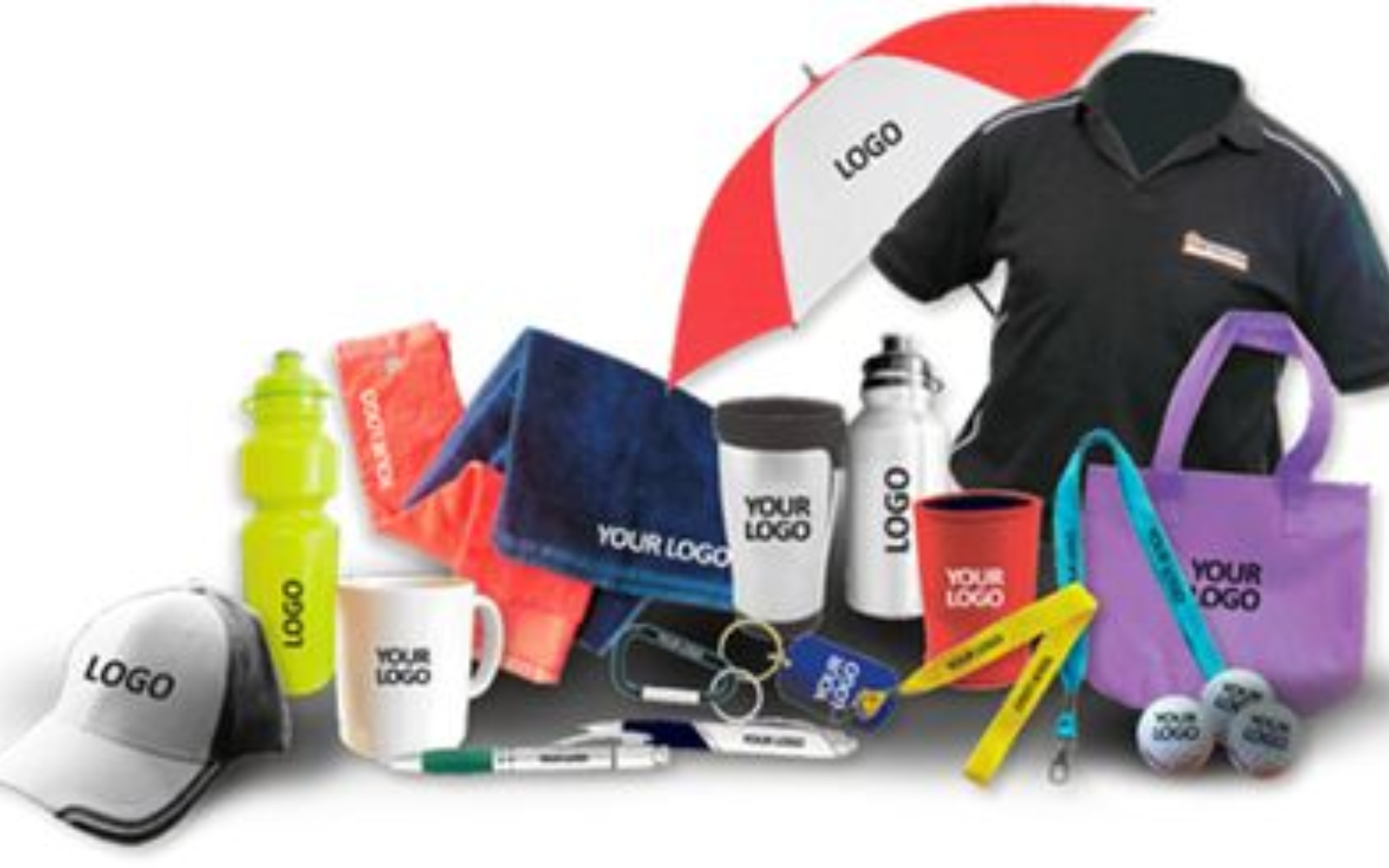
Any piece of merchandise that displays your branding can do so much more than advertise the business that created it. A consumer who receives cheap, poorly made merchandise will automatically think less of a company compared to if they received a high-quality product.
The quality of a piece of merchandise speaks volumes about the business that created it, as they give away items that clearly reflect their standards. A company that puts out low-quality merchandise is subconsciously signaling to the world that they offer low-quality goods or services.
When a business invests into high-quality merchandise, it tells the world that they care about their consumers enough to give them something they can expect to last. The quality principles of merchandise building apply in many ways that may seem unrelated at first. When you make branded merchandise that looks great, feels awesome to use, and lasts, your branding will subconsciously be associated with those exact same qualities.
4. Building Cost Effective Marketing for Long Term Growth
As a business owner, you know just how expensive a marketing campaign can be. Especially when you’re paying for marketing space on the web, it can get really expensive, really fast. One of the reasons that many companies are choosing to invest into custom merchandise is because it’s one of the most marketing cost-effective things they can do for their business.
Once you pay the fairly small initial cost of printing the item itself, you’ve unlocked incredible long-term benefits. The cost of a single piece of clothing or accessory can truly last a lifetime if it turns out to be a long-lasting, durable item. When you account for how many different people can see it over that time, you come to an impressive number of marketing impressions for a very small cost.
5. The Visual Aesthetic of Merchandise
When it comes to branding, many companies still make the same mistake of using merchandise for only marketing purposes and ignoring their aesthetic appeal. In fact, some companies go as far as putting their brand on cheap, generic t-shirts with no regard for visual design or comfort. This is an incredibly outdated approach that ignores all the ways custom branded items can help build a brand image and presence.
It’s no longer enough for a company to slap their branding on random merchandise and expect people to buy it just because of that. Modern customers want to feel good wearing the clothes and accessories they buy, and custom branded merchandise can provide precisely that.
To truly leverage the potential of custom branded merchandise, companies should design them as high-end lifestyle apparel. Use interesting colors and patterns to design something that looks nice and makes people want to buy it, then make sure to include their branding somehow. Using minimalist designs and elegant typography is a good way to ensure that the merchandise won’t feel outdated in a matter of months. It’s also important to ensure that the merchandise fulfills a certain function or purpose, as people are naturally drawn to things that enrich their lives.
Conclusion
Establishing brand image and presence is a difficult task that comes with numerous challenges. To achieve true brand-building success, businesses need to understand the different ways to connect with their audience. Custom branded merchandise plays an important role in this process by enabling companies to be seen in the physical world outside of the traditional marketing channels.
It can build a large following for a business and truly engrain its presence in the minds of everyday consumers. Not only can custom branded merchandise help establish a presence, but it can also boost sales by making customers feel like they belong to an exclusive group and be the talk of the town, all while giving your audience an amazing product to last a lifetime.